
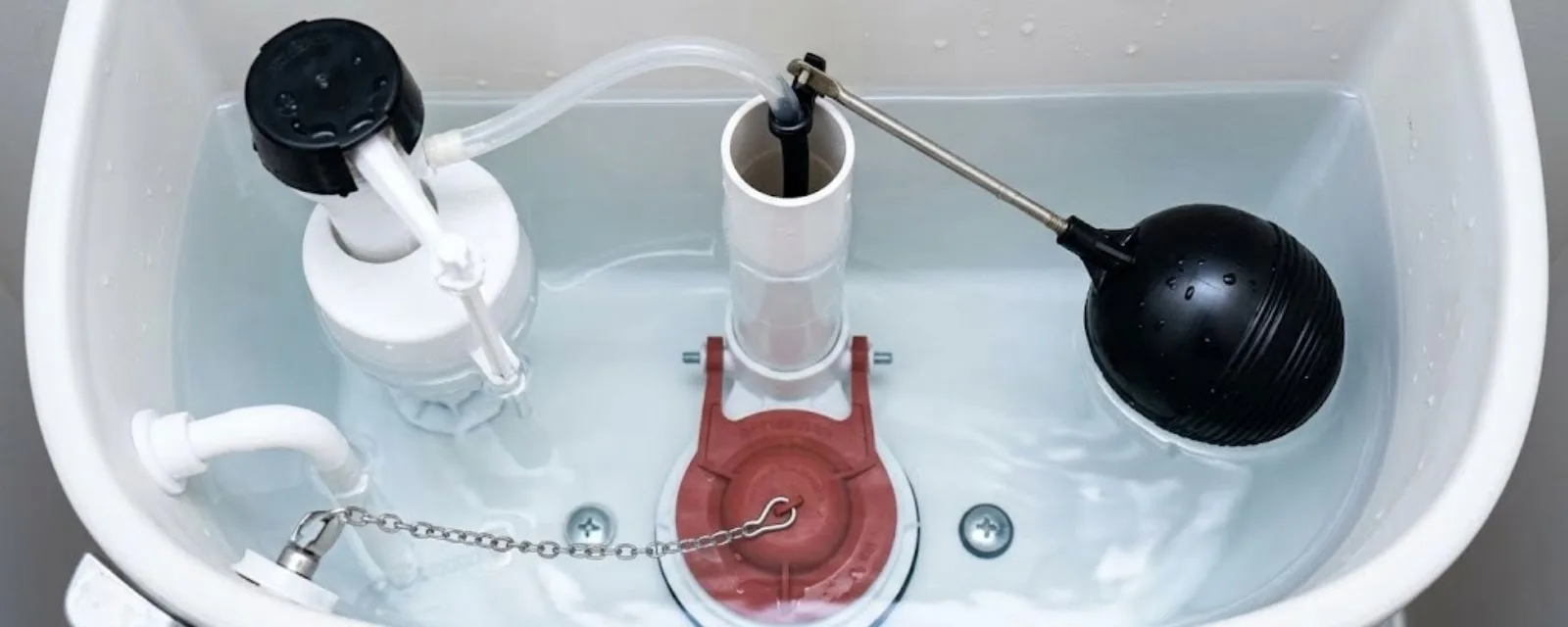
Emergency toilet repair in Kuna, ID usually starts with water where it should not be. Kuna Express Plumbing answers the line 24/7, so an overflowing bowl at midnight gets the same attention as a slow flush on a Saturday afternoon. While you wait, lift the tank lid, push the flapper down, and turn the shutoff valve behind the toilet clockwise until it stops. Do not flush again, and keep towels off the floor outlets.
When a toilet problem cannot wait
Some toilet trouble is an annoyance. These situations are not.
- The bowl is overflowing and the shutoff valve will not stop the water.
- Water is spreading from the base of the toilet into a hallway, a closet or the room below.
- Every drain in the house is slow and the toilet gurgles when a sink or the washer runs.
- It is the only toilet in the house and it does not flush.
- The bowl or tank is cracked and leaking.
In any of these cases call right away. If sewage is involved, keep children and pets out of the room and wash your hands well after cleanup.
Toilet clogged and the plunger is not working
A plunger clears a clog that sits in the bowl or in the trap just below it. When three or four strong plunges do nothing, the blockage is usually past the trap, or something solid is lodged in the curve of the porcelain. Toys, wipes sold as flushable, and heavy paper wads are the usual culprits.
A second sign is more telling. If the water in the bowl rises when you run the shower or the washer, the toilet is not the problem and the clog sits further down the line. Our drain cleaning crew can cable the line, and when the main is involved the sewer line cleaning page explains what that visit looks like.
When an object is stuck, a plumber can pull the toilet and clear the trap from underneath. That gets it out without pushing it deeper into the pipe.
Reading the symptom: what your toilet is telling you
| What you notice | What is usually behind it | What the plumber does |
|---|---|---|
| Hissing or a bowl that refills every few minutes | Worn flapper or a fill valve that will not seal | Replace the flapper or the fill valve |
| Weak flush that leaves paper behind | Partial blockage or a clogged rim jet | Clear the trap or the rim holes |
| Water around the base after a flush | Failed wax ring or a loose flange | Reset the toilet on a new seal |
| Toilet rocks side to side | Loose bolts or a damaged flange or floor | Re-seat it, repair the flange, check the floor |
| Gurgling when other drains run | Blockage or venting trouble in the line | Trace the restriction before clearing it |
| Hairline crack in the bowl or tank | Porcelain damage | Replace the toilet, because cracks cannot be patched |
The last row is the one nobody wants to hear. A cracked bowl or tank leaks until it fails, and a patch will not hold. We say that plainly and quote the replacement before any work starts.
A running toilet and the water bill
A toilet that runs on its own can waste a surprising amount of water without ever making a mess. The sound is easy to ignore, and the first sign is often a higher bill.
Two quick checks help you decide. Put a few drops of food coloring in the tank and wait twenty minutes without flushing. If color shows up in the bowl, the flapper is leaking.
The second check uses your water meter. Turn off every fixture, read the meter, wait, and read it again. If it moved, water is leaking somewhere, and a leak detection visit finds out whether the toilet is the source or something else is.
Toilet leaking or backing up?
Call the 24/7 line and tell dispatch whether the water is clean, dirty or still coming.
Leaks at the base of the toilet
Water around the base can come from several places. A sweating tank drips onto the floor in humid weather, a loose supply line weeps at the valve, and a failed wax ring lets water seep out each time you flush. Mop the floor dry, press a dry paper towel against the base after one flush, and see where the moisture shows up.
A wax ring leak is the one to take seriously. Water that escapes there soaks into the subfloor, and soft flooring around the toilet means the damage has already started. A plumber has to inspect it, because the repair may include replacing damaged flooring before the toilet goes back on.
Removing and installing a toilet: how the job runs
Replacing a toilet is a routine job when the flange and floor are sound. The steps below show what happens on a typical visit.
- Shut off the water at the wall valve, flush to drain the tank, and sponge out what is left.
- Disconnect the supply line and unbolt the toilet from the floor flange.
- Lift the old toilet away and haul it out, then scrape off the old wax ring.
- Inspect the flange and the floor around it, and repair either one if it is cracked or loose.
- Set the new toilet on a fresh wax ring and tighten the bolts evenly.
- Reconnect the supply line, open the valve, and test for leaks at the base and the tank.
Toilets come in different heights and rough-in distances, so tell dispatch what you plan to install. A taller bowl is a common upgrade, and the plumber checks that the new toilet lines up with the existing flange.
Hard water and the parts inside your tank
The City of Kuna's own water quality report says all of southern Idaho has hard water because of naturally occurring calcium. Mineral buildup can stiffen rubber flappers and clog the small holes under the rim, so a toilet that flushes weakly may need cleaning before it needs replacing. If you have noticed scale on your fixtures, test your tap and talk to us about a water softener installation.
Safe steps while you wait
Close the shutoff valve at the wall and do not flush again. Use a plunger only if the water level is below the rim. Never pour drain cleaner into a toilet that is full, because the chemicals sit in the bowl and can splash onto skin and eyes. If water is spreading toward outlets or a ceiling below, turn off the main water valve at the house.
Permits and replacing a toilet in Kuna
The City of Kuna issues plumbing permits through its Building Department, and its application lists covered work for existing residences. Replacing a toilet in place is a different job from moving a drain or adding a bathroom. If you are changing the plumbing, ask the Kuna Building Department at (208) 922-5546 whether your project needs a permit. Our plumbing installation page covers bigger remodel work.
What toilet repair costs
Toilet repair for Nampa and nearby towns
We take the same calls across the Ada-Canyon line. The Nampa emergency plumber page explains how dispatch handles addresses on that side of the valley, and the same 24/7 line applies. Toilet installation follows the 2017 Idaho State Plumbing Code, which is based on the 2015 UPC, including how the fixture is secured and sealed to the drain.
Toilet repair questions from Kuna homeowners
Yes. The line is answered 24/7, including holidays. Tell dispatch whether the toilet is overflowing, leaking at the base or backing up from other drains, and a plumber is scheduled.
Gurgling usually means air is being pulled through the line because of a partial blockage or a venting problem. If it happens when the shower or washer runs, the clog is probably in the shared drain and not in the toilet.
Often, yes. A toilet that rocks may have loose bolts, a damaged flange or a failed seal, and each needs a different fix. A plumber can tell which by lifting it.
Lift the tank lid and look at the flapper and the fill valve. A worn flapper that does not seal, or a float set too high, is the usual cause. If the fix does not hold, call and describe the sound.
It can. A flapper that leaks slowly may run for days before anyone hears it. The food coloring test and the meter check above show whether the toilet is losing water.
Yes. Removal, flange inspection and installation are part of the job, and dispatch can tell you what the quote includes before work begins.